Learn the U.S. Web Design System basics, how to get started with the design system, and what’s coming next for USWDS in 2025.
2025
Official websites use .gov
A .gov website belongs to an official government
organization in the United States.
Secure .gov websites use HTTPS
A
lock (
) or https:// means you’ve safely connected to
the .gov website. Share sensitive information only on official,
secure websites.

Guidance on building better digital services in government
How easily and effectively people can accomplish their goals using a product or system, while having a positive experience.
Usability refers to the measurement of how easily a user can accomplish their goals when using a service. This is usually measured through established research methodologies under the term “usability testing,” which includes success rates and customer satisfaction. Usability is one part of the larger user experience (UX) umbrella. While UX encompasses designing the overall experience of a product, usability focuses on the mechanics of making sure products work as well as possible for the user.
Best practices for creating clear, useful, digital content for federal websites and digital services.
Get started making usability fixes to your website or product.
A resource with four approaches to help federal employees perform usability testing.
A collection of tools that describe how teams can put human-centered design into practice.
Here are some tools and templates to help you create better user experiences.
Make better decisions using web analytics and other optimization strategies.
Create a better online experience for the public alongside government web content managers.
Learn the best practices for agile acquisitions—from building and buying solutions, to overcoming common roadblocks.
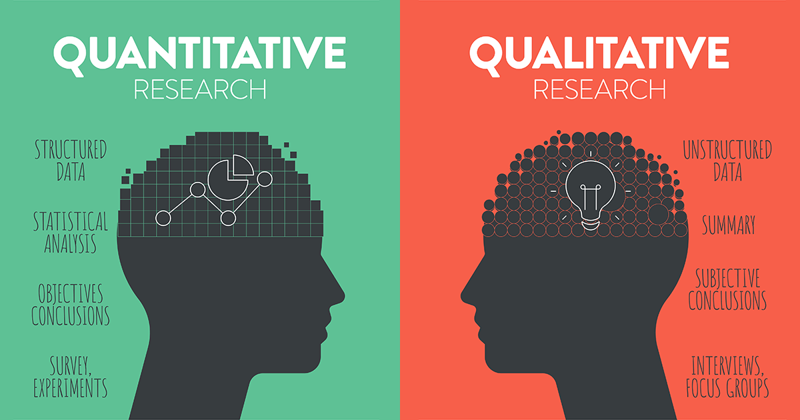
An overview of GSA’s website evaluation process, which combines qualitative and quantitative data to assess website management and performance.
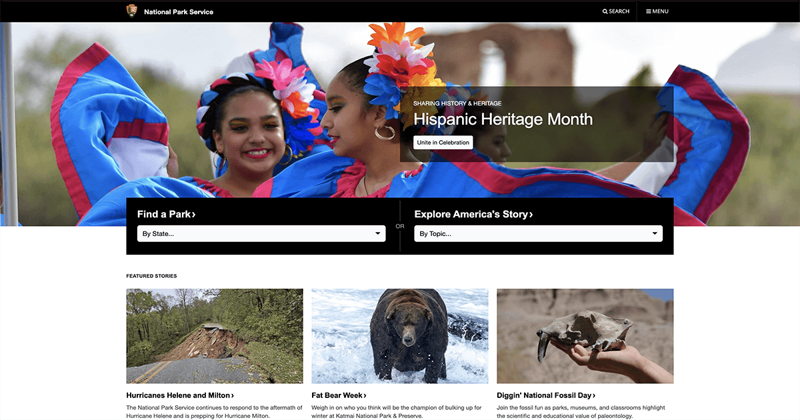
NPS enhances user experience on NPS.gov by integrating Digital Analytics Program web analytics data and customer feedback from GSA Touchpoints.
Get an overview of what user research and user testing are in a federal context. Learn what policies apply and what resources are available.
USA.gov and 10x recently partnered to develop a new user research recruitment page. The page launched in February 2024 and has attracted hundreds of sign-ups. It allows participants to assist in testing government websites for compensation, and helps teams find participants that match needed demographics. By simplifying the process and expanding recruitment of diverse populations, the initiative aims to support and streamline user research. It plans to add recruitment opportunities in additional languages and recruit more specific audiences for future studies.— via USA.gov

59 posts
Learn the best practices for agile acquisitions—from building and buying solutions, to overcoming common roadblocks.
An overview of GSA’s website evaluation process, which combines qualitative and quantitative data to assess website management and performance.
NPS enhances user experience on NPS.gov by integrating Digital Analytics Program web analytics data and customer feedback from GSA Touchpoints.
Get an overview of what user research and user testing are in a federal context. Learn what policies apply and what resources are available.
USA.gov and 10x recently partnered to develop a new user research recruitment page. The page launched in February 2024 and has attracted hundreds of sign-ups. It allows participants to assist in testing government websites for compensation, and helps teams find participants that match needed demographics. By simplifying the process and expanding recruitment of diverse populations, the initiative aims to support and streamline user research. It plans to add recruitment opportunities in additional languages and recruit more specific audiences for future studies.— via USA.gov
The User Experience (UX) team at USA.gov’s Public Experience Portfolio recently conducted a study to analyze the experiences of individuals who access USA.gov through assistive technology. The team partnered with a local organization to gather insights from a diverse group of participants, many of whom are blind or deaf. The study revealed various habits and challenges faced by these users, such as a preference for mobile sites, difficulty with website carousels, and a reliance on clear headings and action-oriented descriptions. These findings can guide improvements in accessibility, such as clever link labeling and better navigation aids for assistive technology users.— via USA.gov
As a small team, Digital.gov adopted user research and customer experience early. That foundation helps develop evidence-based strategies for today.
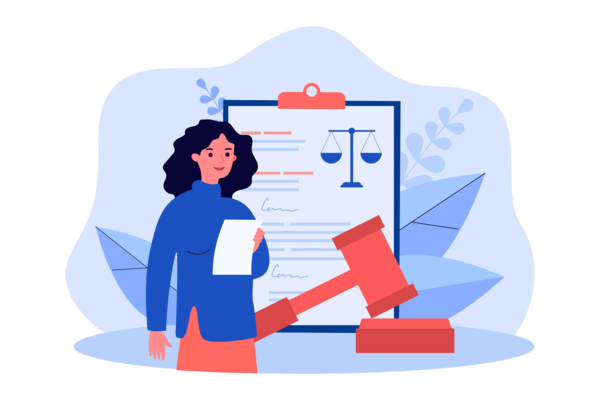
At the Department of Justice, Access DOJ and the Office of the Pardon Attorney (PARDON) partnered to simplify and streamline the presidential pardon application process. By conducting usability testing and gathering feedback, they identified key issues with the existing application, such as its complexity and length. See how redesigning the forms to be more accessible and understandable led to a more efficient process for both applicants and staff.— via Department of Justice

It has been a year since USA.gov and USAGov en Español were relaunched using human-centered design principles. Using task backlog, the USAGov team has addressed content gaps, improved discoverability, and implemented technical updates. Through usability tests, visitor comments, and click behavior the team was able to unravel and respond to user feedback and unmet needs, leading to noticeable increases in visitor satisfaction and task accomplishment. Moving forward, the focus will shift to enhancing public engagement with the government, improving the search for benefits-related content, and exploring interactive and personalized user experiences.— via USA.gov
GSA has developed a composite indicator to visualize six key components of website success.
We’re celebrating all the ways we continue to realize our founding vision: bringing technologists into government, launching shared digital services, and helping partner agencies build user-centered technology.— via 18F

Learn what types of information people searched for on federal websites in 2023, see emerging trends the team is exploring to improve customers’ search experience in 2024, and check out three new updates. The data tab provides insightful summaries for 13 popular topic areas—and lists the public’s top 25 search terms, in their own words, for each.— via Search.gov

While the field of federal web management continues to evolve, the core best practices have remained essentially unchanged for two decades.
Making sure that USA.gov and USAGov en Español remain accessible to people with disabilities is essential. The product team shares four testing tips they’ve learned to help ensure that everyone has equal access to digital products and services.— via USA.gov
USAGov’s usability (UX) team developed a step-by-step process for visitors to easily report a scam. Here are 5 things the team learned from performing usability testing on the tool.— via USA.gov

Digital.gov
An official website of the U.S. General Services Administration